Scent is one of the earliest ways in which humanity perceived the world. From the wisps of smoke rising from ancient rituals to the exquisite fragrances found in modern wardrobes, spanning thousands of years, fragrance has consistently embodied humanity's pursuit of a refined quality of life. Its history of development is a chronicle of the convergence of civilization and culture, as well as the evolution of technological innovation and aesthetic sensibilities; yet, the core code that threads this entire journey together lies in the raw materials that form the very essence of fragrance.
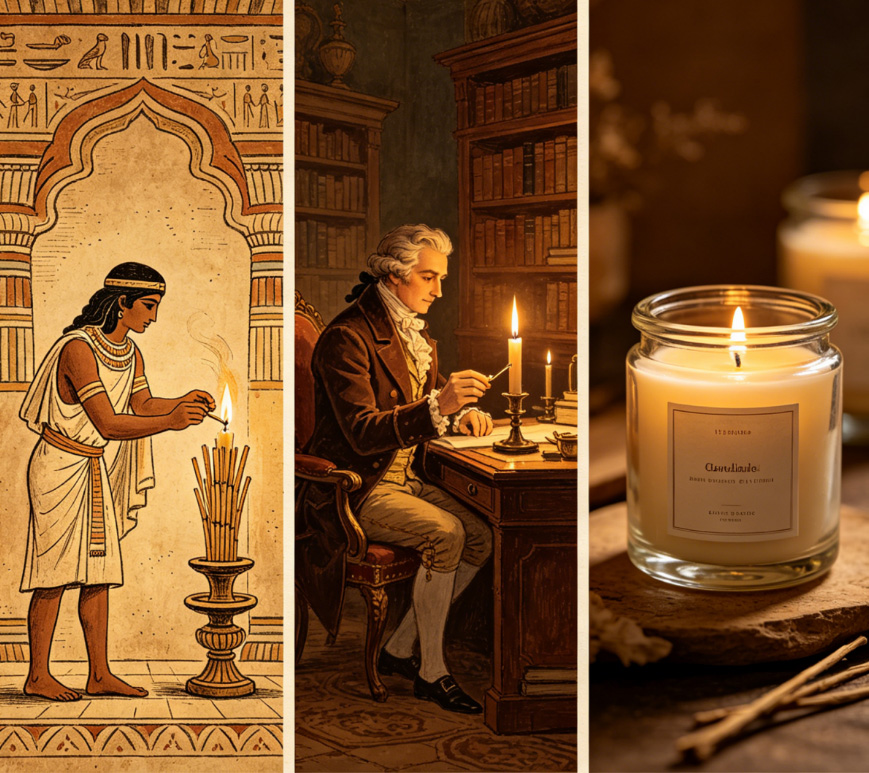
Ancient Sprouts—The Primal Aromas of Heavenly Rites and Healing (3000 BCE – 5th Century CE)
The origins of fragrance are inextricably linked to early human beliefs, healthcare, and therapeutic practices; in those times, fragrances lacked sophisticated craftsmanship and relied primarily on natural ingredients.
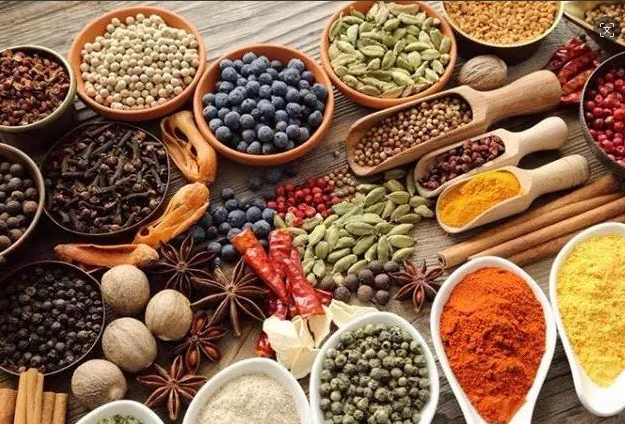
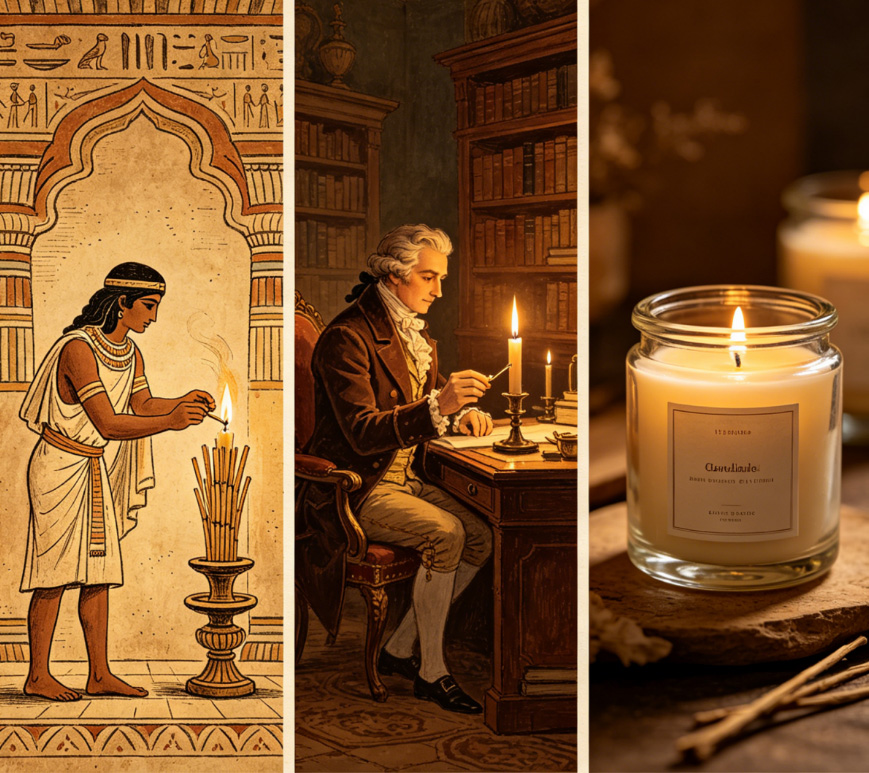
Ancient Egypt was among the first civilizations in the world to utilize fragrances; as early as 3000 BC, the ancient Egyptians employed aromatic substances for religious rituals, the preservation of mummies, and daily skincare. They utilized natural resins and herbs—such as frankincense, myrrh, sandalwood, lavender, and thyme—extracting the plants' authentic scents through methods ranging from direct combustion to maceration. The most renowned fragrance of that era, *Kefei*, was an exclusive incense reserved for priests to offer to the deities, representing one of the earliest precursors to modern perfumery. During this same period, the civilizations of ancient Babylon and India similarly incorporated sandalwood, cinnamon, and cloves into their religious ceremonies, holding the firm belief that fragrance possessed the power to bridge the realms of heaven and earth, while simultaneously purifying both body and soul.
In China, the origins of incense culture can be traced back to the pre-Qin era, when the ancients burned indigenous aromatic herbs to ward off impurities and epidemics, as well as to offer sacrifices to their ancestors. During this period, the use of incense primarily involved direct combustion or the wearing of scented sachets; the raw materials consisted mainly of native herbaceous plants, reflecting a style that was both unadorned and deeply integrated into daily life.
Period of Rapid Development: Trade Integration and the Emergence of Craftsmanship (6th–15th Centuries)
With the rise of the Silk Road and maritime trade, spices began to flow freely between East and West. The use of incense gradually expanded from the aristocracy to the general public; fragrances evolved from simple, singular scents into complex, layered aromas; and their applications broadened to encompass diverse realms such as scenting garments, social interactions, and personal cultivation—a transformation accompanied by significant breakthroughs in the craft of incense making.
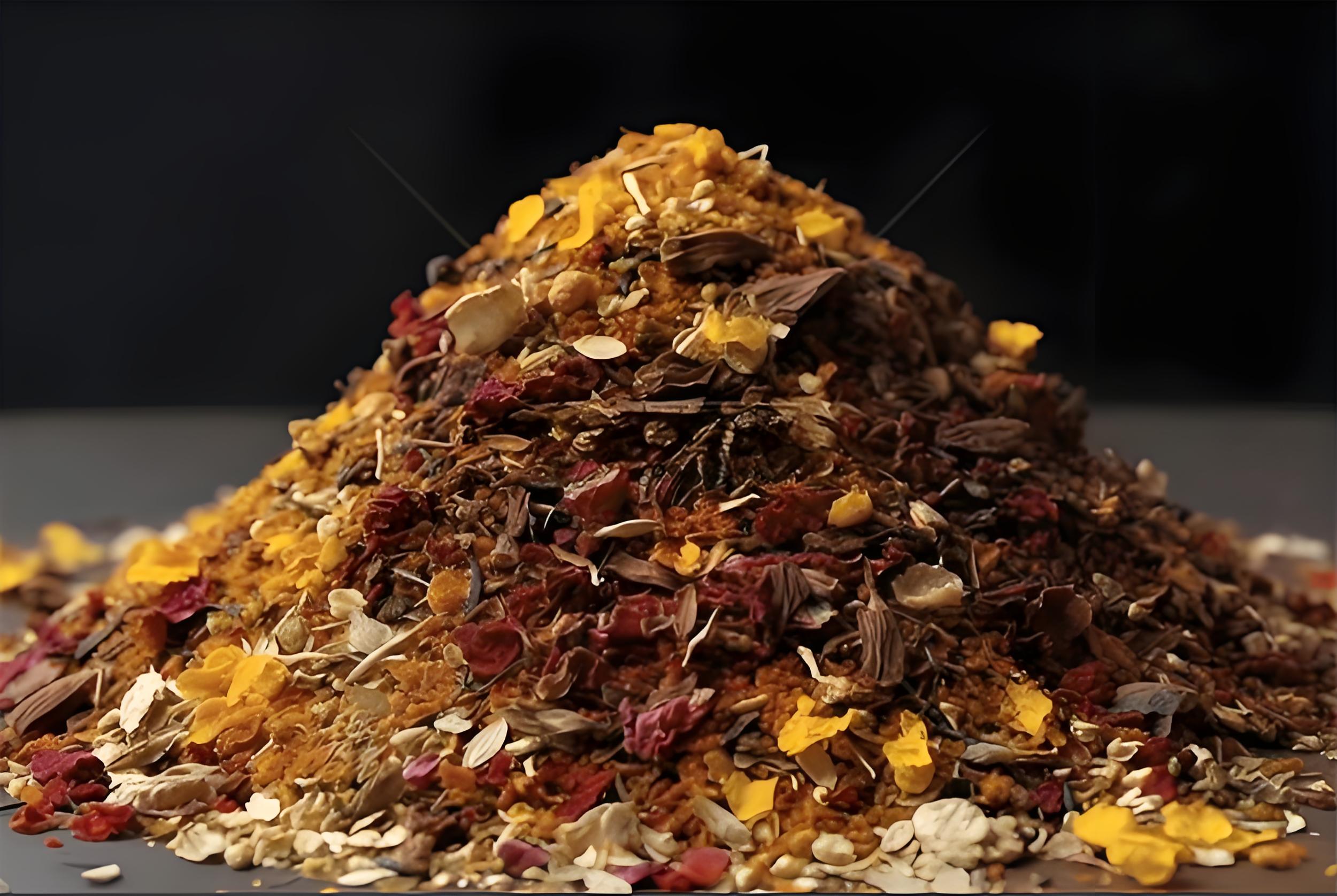
In the 10th century, the Arabs emerged as pioneers in the innovation of fragrance technology; their invention of distillation—a technique for extracting pure rose essential oil from rose petals—enabled the preservation of floral scents for extended periods. Thus were born rose water and lavender essential oil, which quickly became highly coveted skincare and personal fragrance products among the European nobility.
In medieval Europe, monasteries emerged as centers for the cultivation of aromatic plants and the distillation of essential oils. Spices were utilized not only in religious rituals but also as potent tools for disease prevention and treatment, thereby significantly amplifying the practical value of fragrances. During this period, Western perfumery ingredients were enriched by the addition of animal-derived fixatives—such as ambergris and musk—resulting in scents that were longer-lasting and possessed greater aromatic complexity.
Eastern incense culture reached its zenith during this period. The Silk Road and maritime trade routes facilitated the influx of vast quantities of exotic aromatics into China; while the nobility adorned their pavilions with agarwood and musk, the common people favored wearing scented sachets and infusing their clothing and bedding with fragrance. Utilizing ingredients such as agarwood, sandalwood, frankincense, amber, honey, and jasmine—and relying on the slow, gentle heat of charcoal embers to imbue the scents with a mellow, rich warmth—the art of compound incense blending had by this time evolved into a fully systematized craft.
Modern Transformation: The Birth of Perfume and the Democratization of Scent (16th Century – Mid-19th Century)
In the 14th century, the Hungarians blended essential oils with alcohol to create the world's first liquid perfume—Hungarian Water. Centered on rosemary, lavender, and rose essential oils, this fragrance offered a scent that was both fresh and invigorating, serving a dual purpose for personal perfuming and medicinal use.
In the 16th century, perfume culture rose rapidly, and Europe emerged as the central stage for the development of fragrances; Grasse France, became the world's "Perfume Capital," undertaking the large-scale cultivation of aromatic flowers—such as roses, jasmine, and lavender—and achieving the industrialized cultivation and extraction of fragrance raw materials.
Following the Renaissance, perfume emerged as a symbol of status among the European nobility, giving rise to a proliferation of court perfumers. From the Florida Water of the 17th century to the 18th-century Eau de Cologne (4711)—the world's first unisex fragrance—these scents became classics that swept across Europe; initially utilized for their therapeutic properties, they eventually evolved into fragrances suitable for everyone.
It was not until the 19th century that the framework of the modern perfume industry was preliminarily established, ushering in a trans formative era marked by the advent of synthetic fragrances; perfume formulations grew increasingly complex, and the perfumery concept of top, middle, and base notes gradually took shape. In 1834, synthetic vanillin made its debut; in 1868, synthetic coumarin emerged, gradually becoming accessible to the general public and thereby realizing the "democratization of fragrance."
Modern Prosperity: Diverse Innovation and the Era of Universal Fragrance (Late 19th Century – Present)
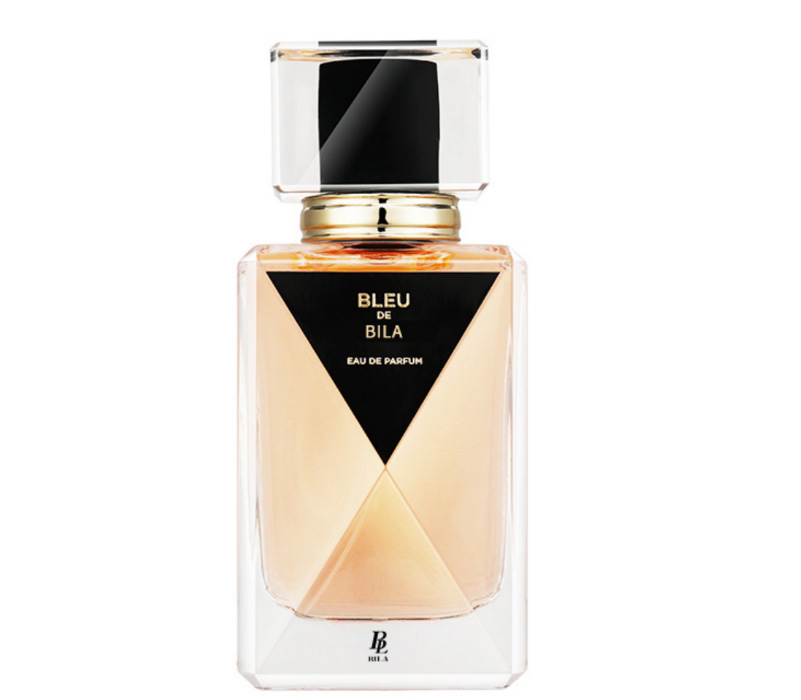
From the late 19th century to the present day, the fragrance industry has entered a flourishing era of vibrant diversity; its raw material systems have become increasingly sophisticated, its product categories ever more varied, and timeless, legendary fragrances have emerged in ceaseless succession.
Launched in 1921, Chanel No. 5 stands as a milestone in the history of modern perfumery; by pioneering the use of synthetic ingredients alongside natural raw materials, it created a richly layered aldehydic-floral accord, becoming the first synthetic-based fragrance to achieve global renown.
The *Miss Dior* of the 1950s—centered on notes of rose, jasmine, and patchouli, and infused with the freshness of citrus and the warmth of musk—was at once sweet and elegant, becoming a symbol of feminine grace. The *Opium* perfume of the 1980s, drawing upon the essence of Eastern perfumery traditions, featured a dominant blend of spicy and woody notes—including pepper, clove, sandalwood, agarwood, and frankincense—creating an intense and mysterious fragrance that ignited a global craze for Oriental-style perfumes.
In the realm of natural fragrances, ingredients such as Italian citrus, Indian sandalwood, Madagascan vanilla, Chinese osmanthus and Longjing tea, and Bulgarian roses undergo various processes—including distillation, cold pressing, and extraction—to preserve their purest natural aromas. As for synthetic fragrances, hundreds of thousands of raw materials have been developed to create unique scents that are impossible to replicate naturally—yielding novel olfactory profiles such as marine, metallic, and gourmand notes.
The classification of modern fragrances has become increasingly refined, spanning the full spectrum of daily life—from perfumes (ranging from *Eau de Toilette* and *Eau de Parfum* to pure *Parfum* extracts), diffusers, and scented candles, to body mists, car fragrances, and home scents. The art of perfumery has expanded beyond traditional floral, woody, and citrus notes to encompass dozens of distinct olfactory profiles—including Oriental, Fougère, Gourmand, Aquatic, and various woody accords—catering to the diverse aesthetic sensibilities and needs of different individuals.
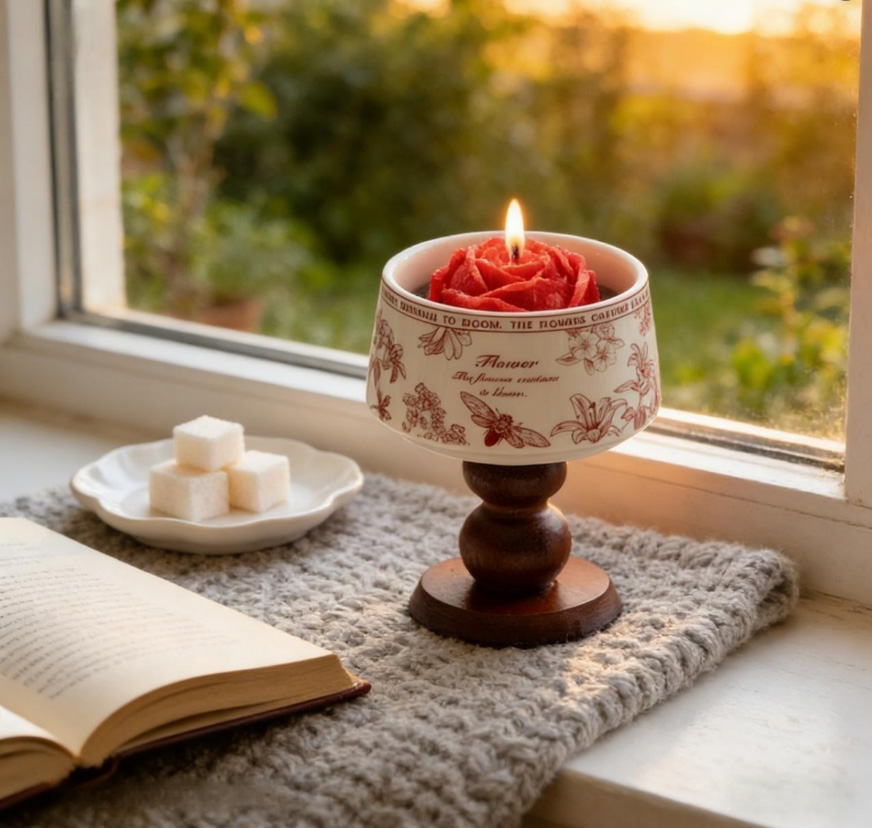
Classification of Core Fragrance Ingredients: Gifts from Nature
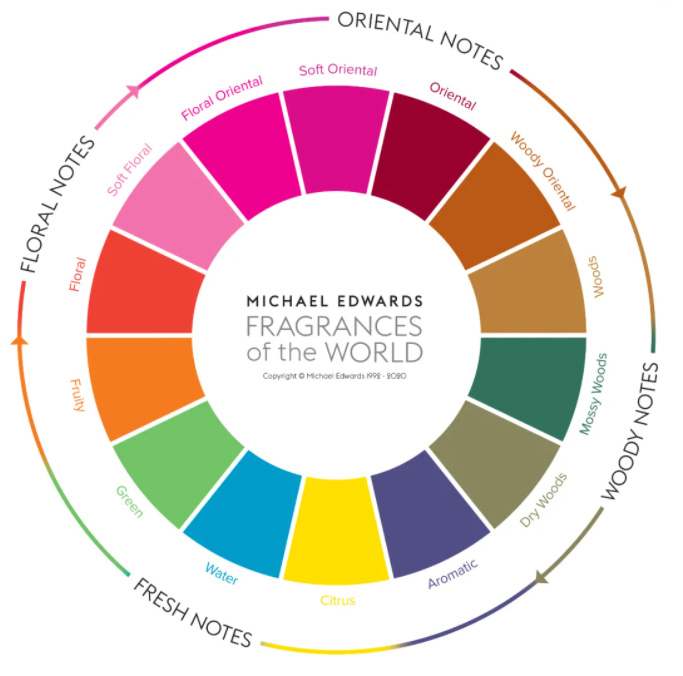
Perfumes and fragrances are broadly categorized into four major families and fourteen sub-categories—commonly referred to as scent styles—as illustrated in the chart below. Furthermore, as the fragrance evolves over time, each scent profile is further distinguished into top notes, middle notes, and base notes.
Conclusion
Throughout the ages, every fragrance has harbored the aesthetic sensibilities and cultural imprints of its era; every raw ingredient embodies the bounty of nature and the wisdom of humanity; and every perfume stands as a timeless classic. Today, fragrance is no longer merely an olfactory adornment, but has evolved into a way of life—a profound communion of emotions. This wisp of scent, spanning millennia, transcends time and space to accompany every soul that embraces life, awakening the richness and abundance within.|
(Note: Portions of this document may be AI-generated.) Text/Images by BILA
Copyright and rights of interpretation belong to BILA Biotechnology (Guangzhou) Co., Ltd.